

 Cooling
 Heating
 Plumbing
 Sewer + Drains
 Air Quality
 Coupons
 About Us
Logan Services‘ FLIGHT Program is celebrating two new installer apprenticeship graduates: Chad and Jarrett! On October 15, 2026, both reached a milestone built on hands-on training, hundreds of installations, and a commitment to learning.
Together, Chad and Jarrett have completed 983 installations and 3,400 apprenticeship hours. Those numbers represent time spent working in homes, learning alongside experienced installers, and developing the skills that help our team serve homeowners across Dayton, Columbus, and Cincinnati.
Chad’s Journey: Careful Work and Daily Progress
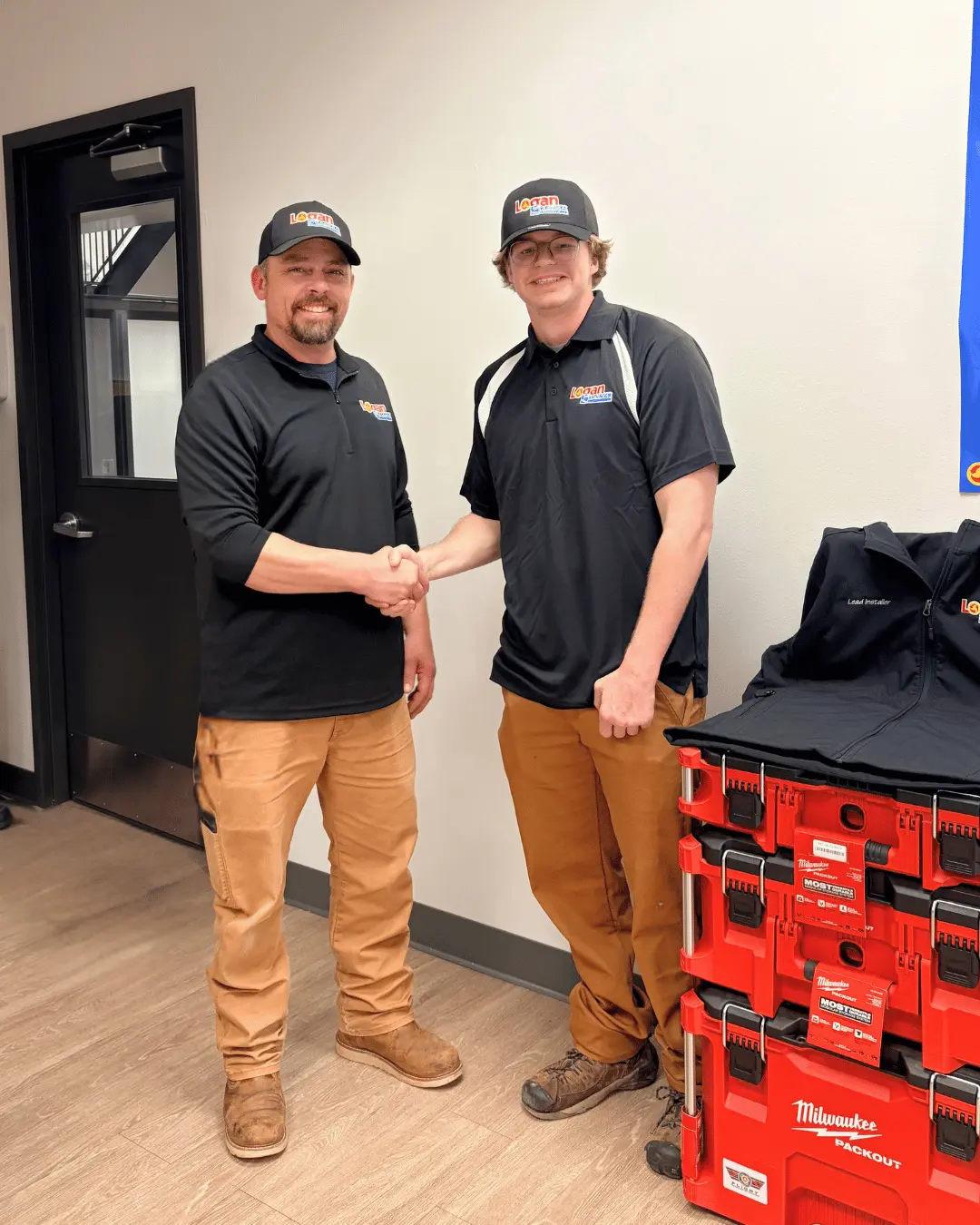
Chad began his apprenticeship in March 2025. Since then, he has completed 429 installations, logged 2,100 hours, and earned a 4.9 average review rating.
For Chad, the program’s impact reaches beyond HVAC installation. Reflecting on his experience, he described growth in both his work and his personal life.
“My experience as an apprentice has been a journey full of hard work, but accomplishment also. I learned skills for not only HVAC, but skills I can use for daily life. I’ve matured over the past 18 months as an employee and a person. I am excited and grateful for this next chapter in my life.”
Chad, Dayton Lead Installer
That growth came through a willingness to approach each day as another opportunity to learn. Chad welcomed new challenges while taking the time to understand the work in front of him.
Jarrett’s Journey: Asking Questions and Adapting to Challenges
Jarrett began his apprenticeship in October 2025. In the year since, he has completed 554 installations, logged 1,300 hours, and earned a 5.0 average review rating.
Jarrett entered the program eager to learn, even while feeling nervous about his existing knowledge. Hands-on training helped him build his understanding and recognize what the apprenticeship was preparing him to accomplish.
“At first, I was nervous about how much I knew, but I was super eager to learn. Pretty soon, I realized the program was all about turning me into the best installer I could be. It’s been such a journey, and I’m seriously grateful for the ones who helped guide me along the way.”
Jarrett, Columbus Lead Installer
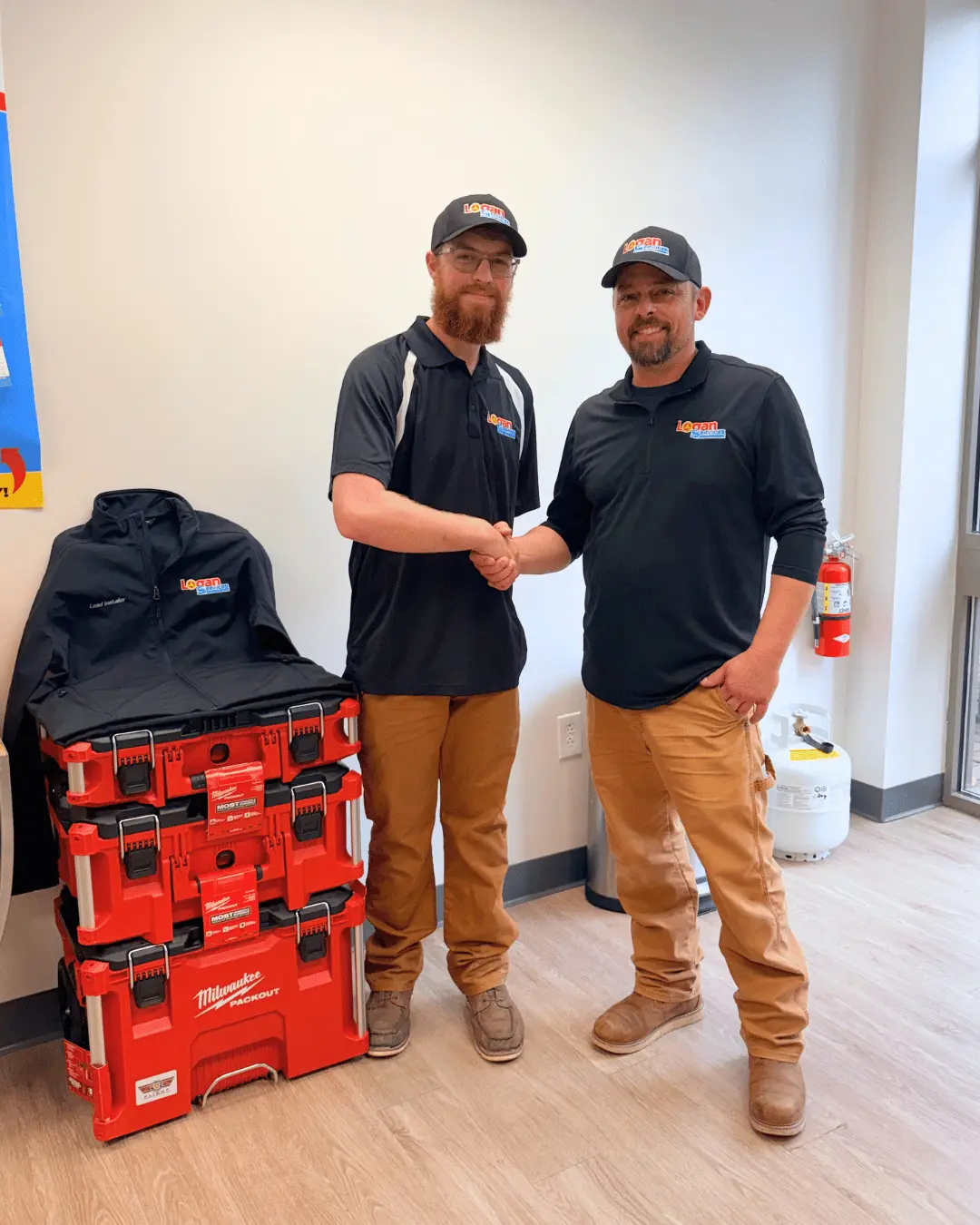
His commitment also meant making a daily drive from Columbus to Dayton to participate in the program. This willingness to travel is just one example of the flexibility Jarrett brought to his training.
Working alongside his lead installer, Tyler, Jarrett learned the importance of adapting to the job in front of him. Their working relationship helped both installers grow.
Advice for the Next Installer Apprentices
Although Chad and Jarrett followed different paths through the program, their advice shares a common theme: give yourself time to learn and stay committed to improving.

Chad encourages future apprentices to embrace the challenges that come with developing a new skill.
“Be patient with your progress as it will come with time and practice. Stay committed and just work hard and get at least 1% better every day.”
Chad, Dayton Lead Installer
Jarrett emphasizes asking questions and learning from the people around you.
“Take it slow and don’t be afraid to ask questions even if you feel like they’re dumb. You’re in a great spot to learn from people around you who just want to help you succeed. Push yourself and you’ll go further than you ever imagined.”
Jarrett, Columbus Lead Installer
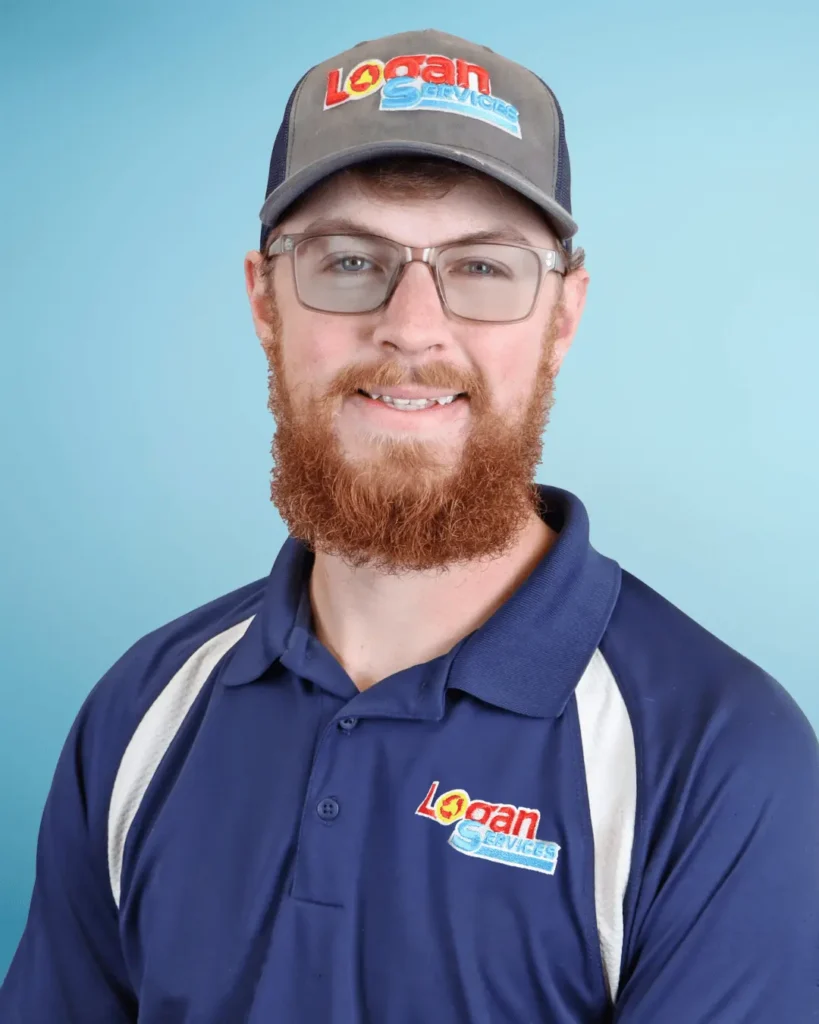
Chad and Jarrett are the latest examples that progress comes through daily practice, asking questions, and learning from those around you. If you’re ready to start your HVAC installer apprenticeship with Logan Services, you’ll have trainers and teammates ready to guide you, cheer you on, and celebrate your success.
Celebrating With the Team Who Helped Them Grow
For FLIGHT program leaders, Andrea and Anthony, Chad and Jarrett’s graduation is a chance to celebrate the progress they’ve watched firsthand—from learning installation steps to becoming teammates others can count on.
For FLIGHT program leaders, Andrea and Anthony, Chad and Jarrett’s graduation is a chance to celebrate the progress they’ve watched firsthand—from learning installation steps to becoming teammates others can count on.
“I just wanted to say you both have done an amazing job,” said Andrea, Logan Services’ Apprenticeship Development & Systems Manager. She praised Chad’s care in understanding each part of the installation process and the quality of his work: “I was very impressed the two times that I came out there to just watch you work.”
Andrea also recognized Jarrett’s daily drive from Columbus to Dayton and the teamwork he developed with his trainer, Tyler. “You helped him become a better installer as well,” she shared.
Install Training Specialist Anthony echoed that pride: “Both have been here a long time, put in a lot of hard work, and it’s paid off. I’m proud of you guys to graduate.”
Recognized by the Homeowners They’ve Helped
Chad and Jarrett’s progress also shows in the feedback they’ve received from homeowners. During their apprenticeships, Chad earned a 4.9 average review rating, and Jarrett earned a 5.0 average review rating.
“Rarely do I post a review, But the team that showed up from Logan Services (Tyler, Gage, & Jarret) to install my new system was so good, I felt obligated. Competent, courteous, responsive to my questions – all of them.”
– Mark, Oakwood Customer
“Chad, Mikie, and Mike came to get the whole HVAC System up & running all in 7 hours and left with no mess.
– Cheryl, Anna Customer
Love the peace of mind of our new system.“
Congratulations From All of Us at Logan Services!
Chad and Jarrett, your entire Logan Services team is proud to celebrate your graduation! You’ve been a wonderful example of our values in action throughout your apprenticeships, we can’t wait to see you two continue to grow as our newest lead installers!
Thank you for the care you bring to our customers’ homes and the effort you bring to our team. We’re grateful to have you with us and look forward to cheering you on as you continue your careers at Logan Services!

