 Locations
 Cooling
 Heating
 Plumbing
 Sewer + Drains
 Air Quality
 Coupons
 About Us
Your home’s plumbing directly impacts how efficiently your A/C system cools your home. Proactive inspections, leak detection, drain maintenance, and water heater service reduce indoor humidity, prevent costly repairs, and protect long-term system performance.
Preparing your home’s plumbing for spring is one of the most overlooked factors affecting how well your A/C system performs during Ohio’s warmer months. At Logan Services, a properly maintained plumbing system controls moisture, protects your foundation, and helps your cooling system operate efficiently.
For homeowners in Dayton, Columbus, Cincinnati, and Northern Kentucky, scheduling spring plumbing inspections reduces unexpected repairs and ensures every system in the home is working properly before peak heat arrives. Call Logan Services at (800) 564-2611 to schedule professional plumbing service today.
How Your Plumbing System Impacts A/C Performance
Your air conditioner removes both heat and humidity. When leaks, clogged drains, or hidden pipe damage increase indoor moisture, your cooling system runs longer cycles and consumes more energy.
Unchecked plumbing issues in basements, crawlspaces, and bathrooms can lead to excess humidity near ductwork and equipment. Addressing the root cause of moisture problems protects system performance, improves safety, and gives families peace of mind heading into summer.
Complete Spring Plumbing Checklist For Homeowners
This spring plumbing checklist helps homeowners evaluate their plumbing needs and prevent temporary fixes that turn into major repairs later.
| DIY-Friendly | Call Logan Services’ Plumbers | |
|---|---|---|
| Inspect Exposed Pipes | ✔ | |
| Check for Hidden Leaks | ✔ | |
| Test Toilet Flappers/Flush Valve Seal | ✔ | |
| Inspect Washing Machine Hoses | ✔ | |
| Water Pressure Regulator Adjustments | ✔ | |
| Have Water Heater Inspected | ✔ | |
| Flush & Clear Drains | ✔ | |
| Sump Pump Maintenance | ✔ | |
| Inspect Caulk & Grout | ✔ | |
| Clean Gutters & Downspouts | ✔ | |
| Check Outdoor Faucets | ✔ |
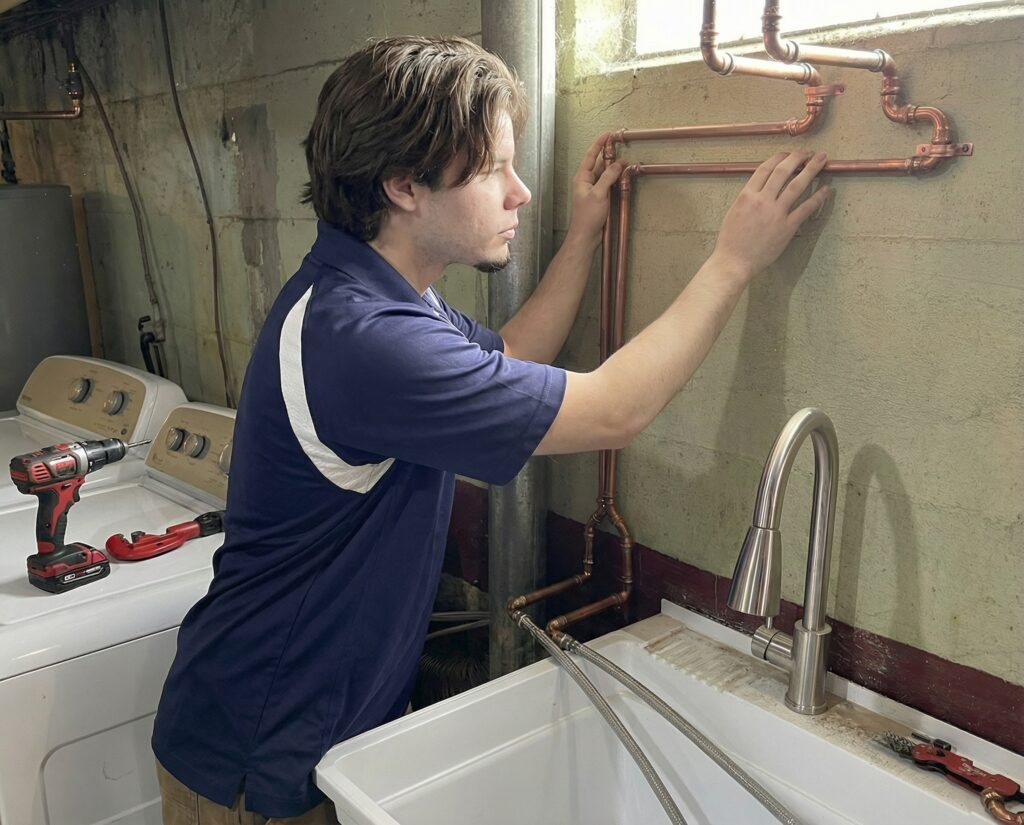
Inspect Exposed Pipes
Homeowners can visually inspect exposed pipes for corrosion, cracks, or sweating. If you notice active leaks, deteriorating joints, or damaged sections, Logan Services’ plumbers offer professional repairs or pipe replacement to protect your plumbing system and prevent moisture from affecting your A/C equipment.
Check For Hidden Leaks
Basic inspections under sinks and around fixtures are DIY-friendly. If your water meter continues moving after shutting off all water, a plumber should perform leak detection to locate hidden issues inside walls or beneath flooring.
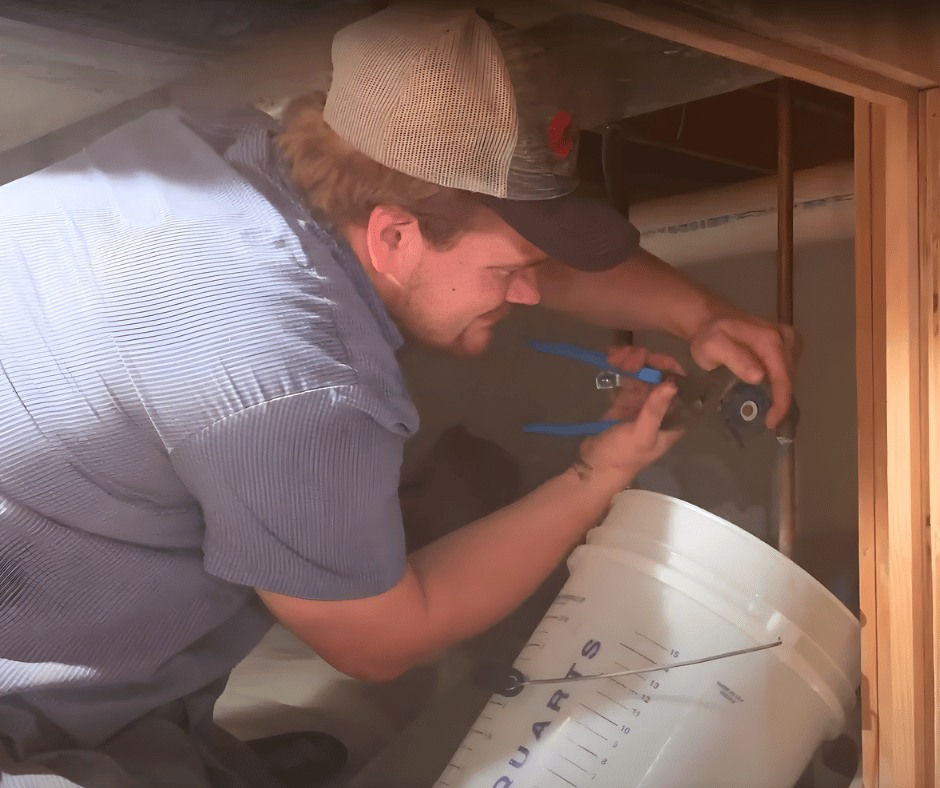
Test Toilet Components
Replacing a worn flapper (flush valve seal) is a simple repair that restores efficiency and prevents wasted water. If leaks continue after replacement, a professional can inspect internal components or recommend installing a new toilet.
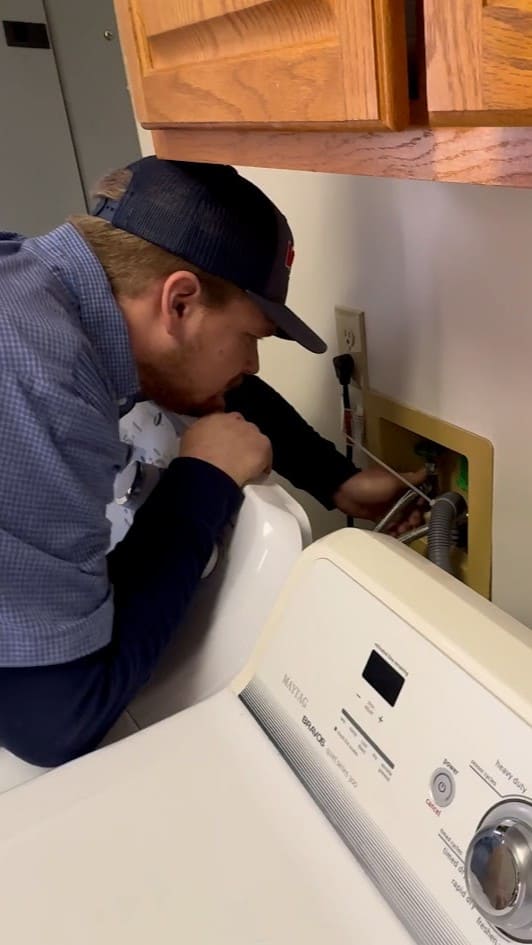
Inspect Washing Machine Hoses
Checking hoses for bulging or cracks is straightforward. Replacing them with steel-braided lines reduces failure risk. If connections leak, valves are corroded, or your washing machine needs repairs, schedule professional service.
Monitor Water Pressure
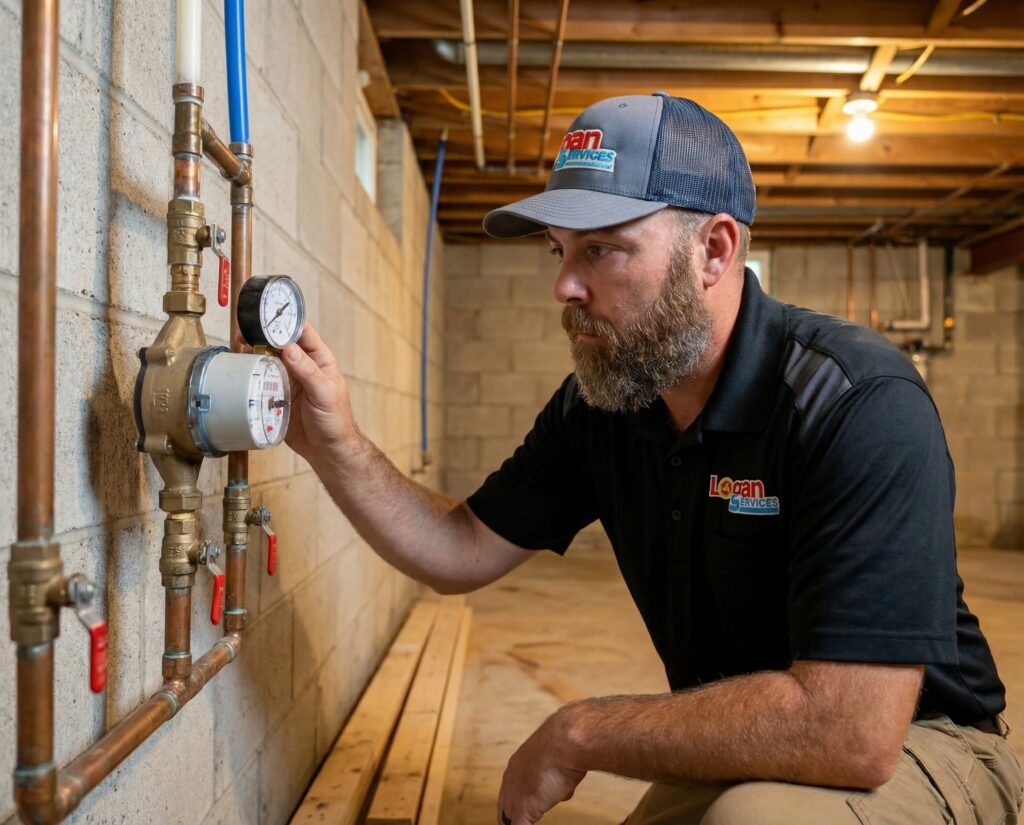
Testing pressure with a gauge helps ensure levels stay between 40–60 PSI. If readings are consistently high or low, a plumber can adjust or replace the pressure regulator to protect pipes and appliances.
Schedule Water Heater Maintenance
A visual inspection for rust or pooling water is a good starting point. Professional water heater maintenance, flushing, or full replacement ensures consistent hot water and extends the life of your unit, including tankless water heaters.
Flush And Clear Drains
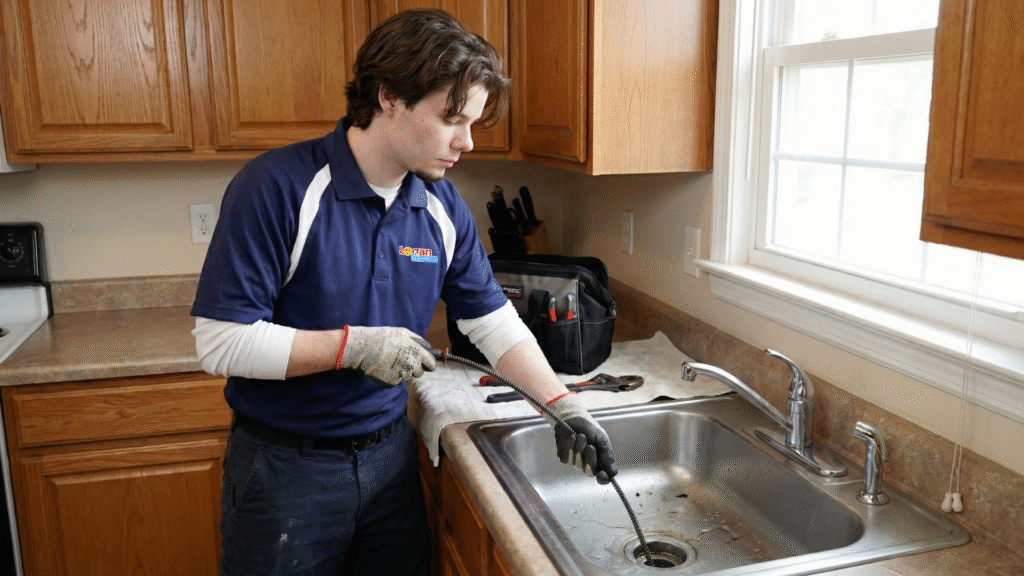
Routine drain flushing helps maintain proper flow. Recurring clogs, sewer odors, or slow drains require professional cleaning to prevent backups that increase indoor humidity.
Test Your Sump Pump
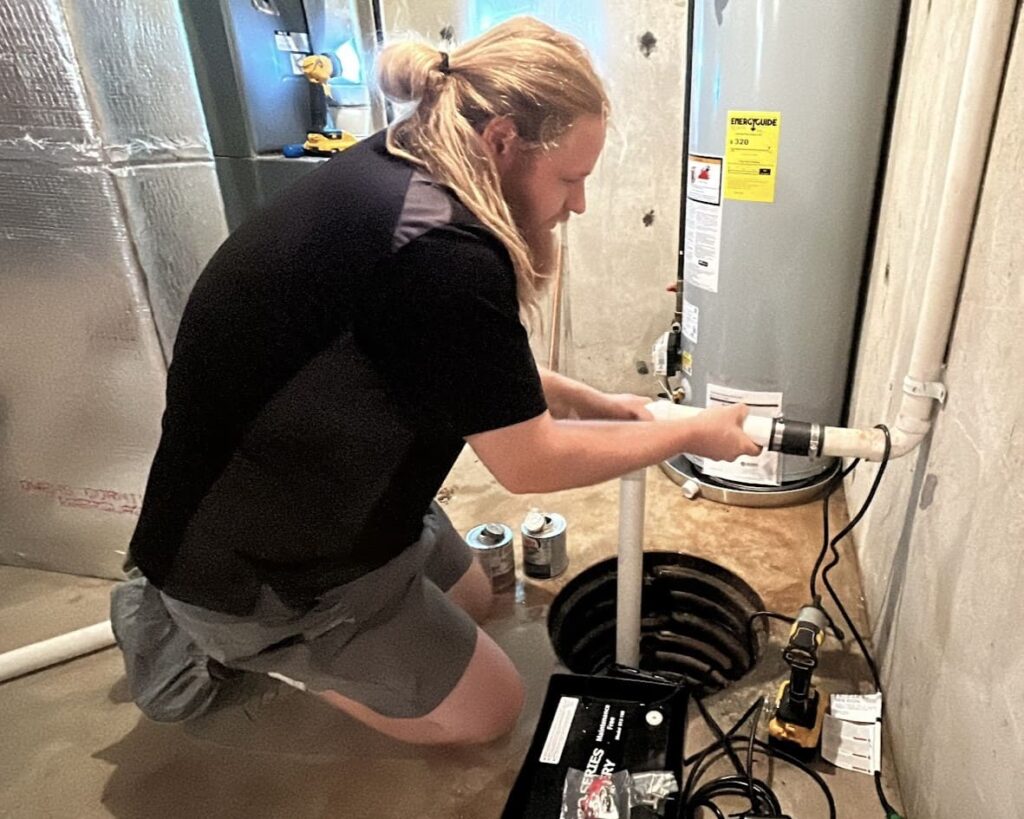
Pouring water into the sump pit confirms basic function. If the pump fails to activate, runs continuously, or makes unusual noises, professional sump pump repairs or replacement are required before heavy spring storms arrive.
Inspect Caulk And Grout
Homeowners can reseal small gaps around tubs and sinks. If water damage is visible behind walls or if the flooring feels soft, professional repairs are necessary to protect structural integrity.
Clean Gutters And Downspouts
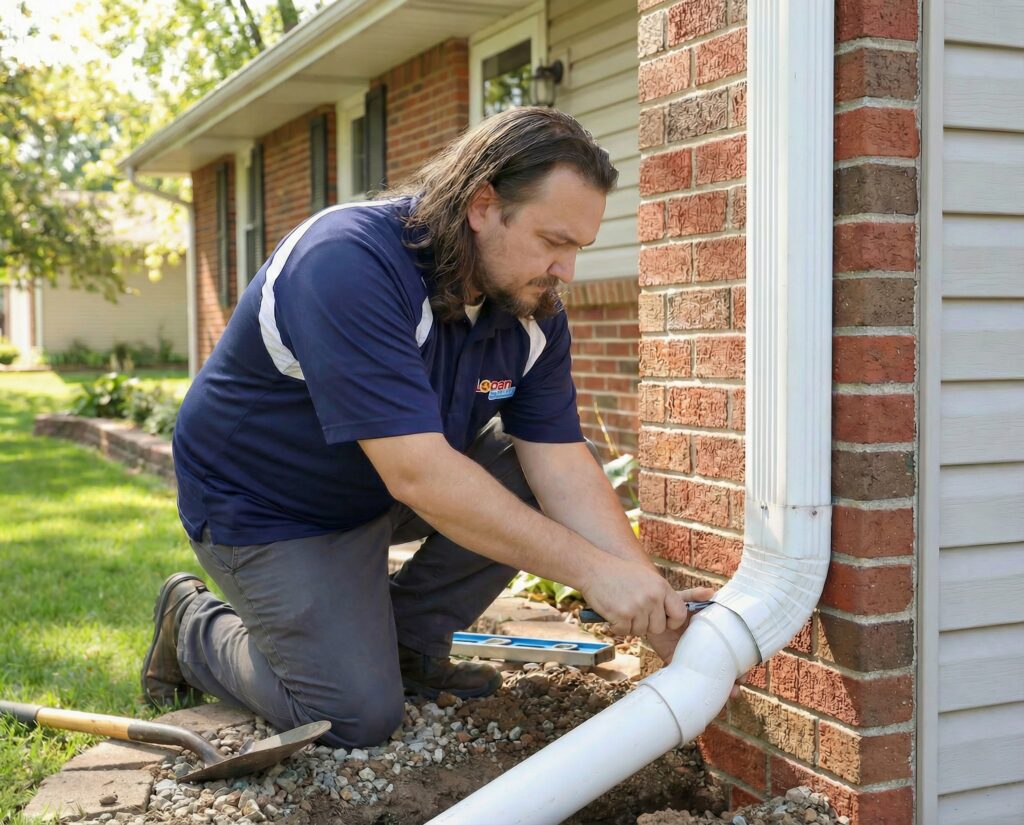
Clearing debris improves drainage away from the foundation. If water continues pooling near your home, a professional may need to correct grading or extend downspouts.
Check Outdoor Faucets
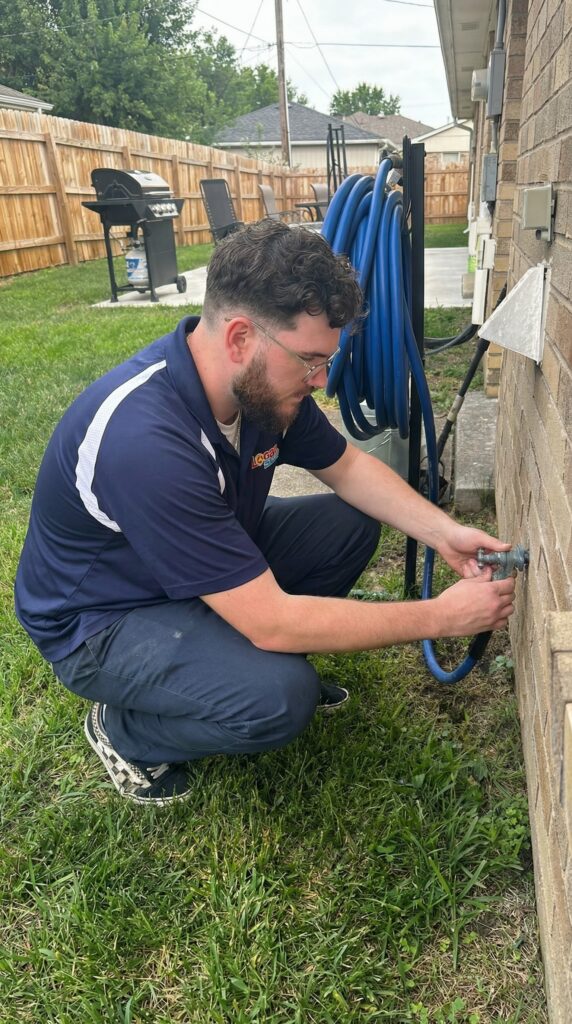
Turning on exterior faucets confirms they survived freezing temperatures. If you notice leaks inside walls or reduced flow, professional freeze-damage repairs prevent further pipe failure.
When To Schedule Professional Plumbing Services
Some issues require skilled expertise beyond routine inspections. Our experienced plumbers handle leaks, clogs, pipe replacement, tankless water heater installation, and full-service residential plumbing in Cincinnati, Dayton, and Columbus.
Our professional plumbing services address both minor repairs and large projects, ensuring the entire system operates efficiently. A licensed and insured plumbing company like Logan Services can identify the root cause of recurring problems instead of applying temporary fixes.
Why Choose Logan Services for Preventive Spring Plumbing?
- Licensed and insured plumbing and A/C professionals focused on total home comfort and long-term system performance
- Honest recommendations with clear explanations for every plumbing or cooling repair, installation, or replacement
- Full service plumbing and air conditioning solutions tailored to your home’s unique needs
- Coordinated plumbing and HVAC inspections that address moisture issues impacting cooling efficiency
- Prompt scheduling and dependable workmanship throughout Dayton, Columbus, and Cincinnati
- A strong commitment to customer satisfaction, quality results, and lasting reliability
Schedule Your Spring Plumbing Service Today
Prepare your plumbing system before temperatures rise. Scheduling professional service now protects your home, preserves hot water reliability, and extends the life of your cooling system.
Call Logan Services at (800) 564-2611 to schedule spring plumbing inspections or repairs in your location. We are insured, experienced, and focused on delivering dependable service for homeowners across Ohio and Northern Kentucky.
Your Comfort is Our Priority.
Spring Plumbing FAQs
Spring plumbing maintenance reduces excess indoor humidity caused by leaks and drainage issues. Lower humidity allows your cooling system to run more efficiently and maintain consistent temperatures.
Homeowners should schedule professional plumbing inspections at least once per year, ideally in early spring. Annual inspections help identify the root cause of small issues before they require major repairs.
Common signs include fluctuating water pressure, slow drains, hidden moisture, inconsistent hot water, and rising utility bills. These issues can strain both your plumbing system and A/C unit.
Yes. Spring maintenance ensures your water heater or tankless unit operates efficiently before summer demand increases. Routine service extends equipment life and supports reliable hot water.
Call the licensed and insured plumbers at Logan Services for recurring leaks, sump pump failures, water heater problems, or unexplained moisture. Professional expertise prevents temporary fixes and protects your home’s safety.
Full-service plumbing typically includes inspections, maintenance, repairs, installations, drain cleaning, water heater replacement, and system upgrades for residential properties. Comprehensive service ensures every component of your plumbing system functions efficiently.