

 Cooling
 Heating
 Plumbing
 Sewer + Drains
 Air Quality
 Coupons
 About Us
Logan Services is proud to celebrate Caleb’s graduation from our Plumbing Apprenticeship Program. Caleb began his apprenticeship in May 2025, and he has since completed more than 500 jobs while earning a perfect five-star rating in his customer reviews.
His graduation reflects the technical skill, customer care, and commitment required to serve homeowners at the Logan Services standard. It also marks the next step in a career built through classroom instruction, hands-on training, and experience in customers’ homes throughout Dayton, Columbus, and Cincinnati.
Celebrating Caleb’s Growth as a Plumbing Professional
Since beginning the program in May 2025, Caleb has developed his skills by working through real plumbing and drain challenges under the guidance of experienced professionals. Each service call gave him an opportunity to strengthen his technical knowledge, communicate clearly with homeowners, and take ownership of the work performed in their homes.
Completing more than 500 jobs is a major achievement, but the quality of those experiences matters just as much as the number. Caleb’s perfect five-star customer review rating shows that homeowners have recognized his professionalism, workmanship, and approach to service.
At Logan Services, technical ability and customer care are inseparable. Caleb’s record demonstrates both, making his graduation a proud moment for our plumbing team and everyone who supported his development.
How the Logan Services Plumbing Apprenticeship Works
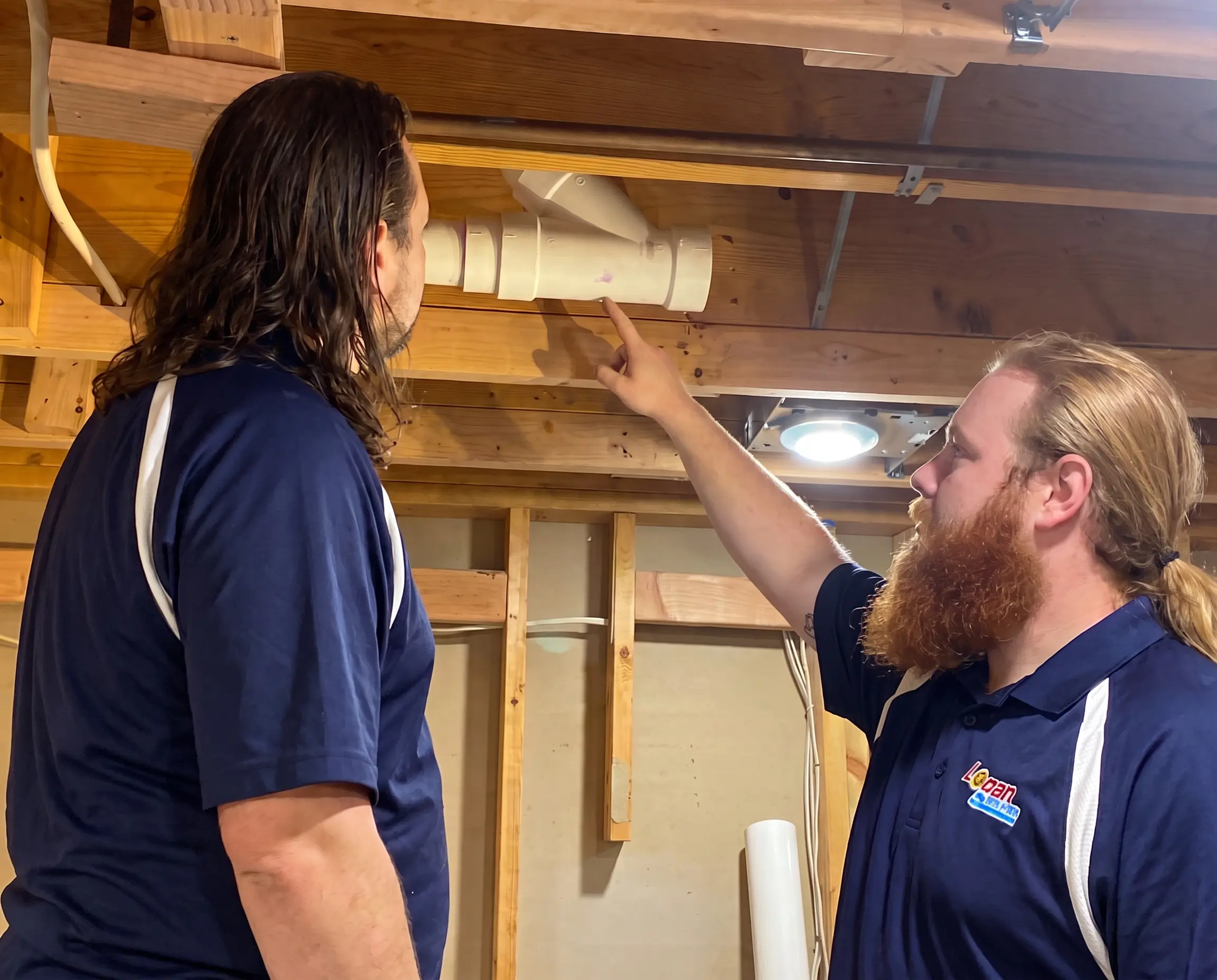
The Logan Services plumbing apprenticeship is a paid, structured training program designed to help team members build a long-term career in residential plumbing, sewer, and drain service. Apprentices combine guided field experience with weekly classroom instruction, practical evaluations, and coaching from experienced leaders.
The program progresses through three training phases:
- Drain Apprentice
- Drain Technician
- Plumbing Apprentice
Each phase builds on the one before it. Apprentices first establish safe work habits and core drain-service skills, then advance into plumbing systems, diagnostics, repairs, and customer communication as they demonstrate readiness.
This progression gives apprentices time to practice their skills while receiving feedback and support. It also helps ensure that graduates are prepared to provide the fast, friendly service homeowners expect from Logan Services.
Why Hands-On Plumbing Training Matters
Residential plumbing work requires more than knowledge from a textbook. Plumbers must understand how different systems work, recognize the source of a problem, explain repair options clearly, and complete the work with respect for the customer’s home.
Hands-on training exposes apprentices to the range of layouts, materials, equipment, and service challenges found in local homes. Working alongside experienced team members helps them connect classroom lessons to real situations while developing sound judgment and problem-solving skills.
This training model also supports consistent service across the Dayton, Columbus, and Cincinnati areas. Homeowners can feel confident knowing that Logan Services invests in the people responsible for protecting their plumbing systems and home comfort.
Caleb’s Commitment to Five-Star Service
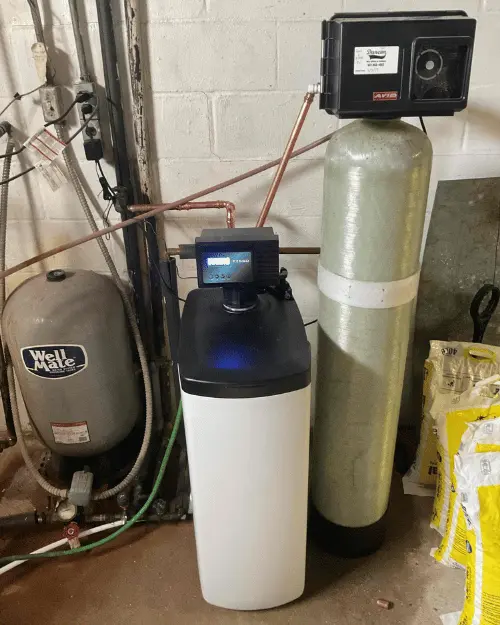
“Caleb was sent to diagnose our water softener. He arrived the day I called, checked several things, and showed us how the softener was not regenerating water. We agreed that a new unit would be best. The old one was 15 years old. He arrived early the next morning and did a fantastic job. He was professional but friendly, patient with our questions, and left everything neat and clean. Great job, Caleb.“
– Peggy, Lewisburg Customer
“Logan Services were awesome! From the ease of making the appointment to getting out to my house quickly! Caleb, the technician, was very respectful and polite and kept me informed every step of the way throughout his inspection of my plumbing issues. I highly recommend this company, and I will not hesitate to contact them again in the future for any of my HVAC and plumbing needs!”
– Phil, New Carlisle Customer
Start a Plumbing Career With Logan Services
Logan Services has been bringing comfort home since 1969, and our apprenticeship programs help prepare the next generation of skilled home-service professionals. Team members receive paid training, hands-on experience, and a clear path for developing their careers in the plumbing trade.
Interested in learning a skilled trade with a local, family-owned company? Explore current career opportunities with Logan Services and take the first step toward a plumbing career serving homeowners throughout Dayton, Columbus, Cincinnati, and the surrounding communities.

