

 Cooling
 Heating
 Plumbing
 Sewer + Drains
 Air Quality
 Coupons
 About Us
A clogged drain can happen when hair, grease, food scraps, soap residue, minerals, or other debris collect inside a pipe. Some clogs stay close to one drain, while others can point to a deeper plumbing or sewer line problem.
Hard water buildup, tree roots, aging pipes, or damaged drain lines are common causes of recurring drain problems in Dayton, Columbus, and Cincinnati homes. Understanding the cause is the first step toward finding the right solution. If you’re dealing with a slow or clogged drain, Logan Services can help identify the problem and recommend the best repair or drain cleaning service to restore proper flow.
Common Causes Of Drain Clogs
Drain clogs form when materials block water flow inside a pipe. The most common causes include everyday buildup, foreign objects, and problems with the plumbing line itself.

Hair
Hair often clogs bathroom sinks, tubs, and shower drains. It catches on soap scum and other debris, creating a blockage that slows drainage.
Soap Scum
Soap scum leaves sticky residue inside bathroom drains. In homes with hard water, soap scum can build up faster and make clogs more likely.
Foreign Objects
Flushing foreign objects can clog drains. Wipes, cotton swabs, dental floss, paper towels, hygiene products, small toys, and excess toilet paper can all block plumbing lines.
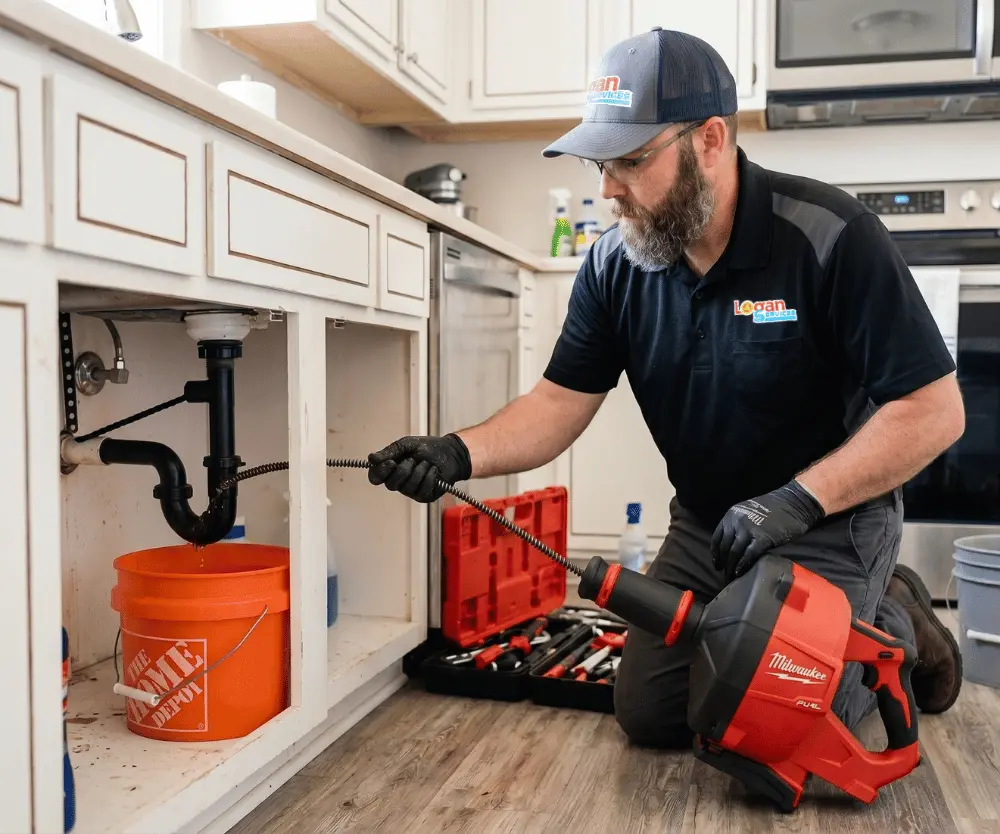
Grease, Fat, And Oil
Rinsing leftovers down the drain can cause grease, fat, and oil to clog kitchen sinks. These materials cool and solidify inside the pipe, stick to the walls, and trap food particles.
Food Scraps
Food scraps can block kitchen drains, even with a garbage disposal. Coffee grounds, eggshells, pasta, rice, and fibrous foods are common clog-causing materials.
Mineral Buildup From Hard Water
Hard water leaves mineral deposits inside pipes. Over time, this buildup narrows the drain line and restricts water flow.
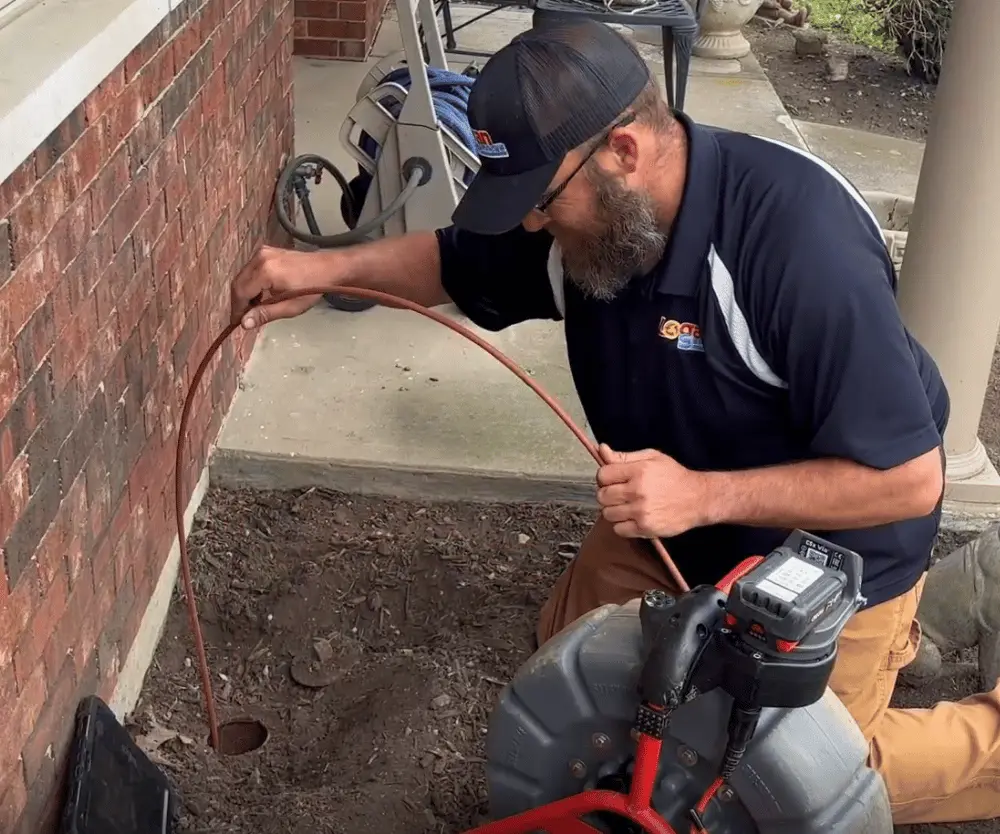
Tree Roots
Tree roots can grow into underground sewer lines through cracks or loose pipe joints. Root clogs often affect multiple drains because they usually form in the main sewer line.
Old, Damaged, Or Poorly Sloped Pipes
Some clogs start because the pipe itself has a problem. Old, corroded, cracked, sagging, or poorly sloped pipes can slow drainage and cause repeat clogs.
Pipe-related clogs can keep coming back until a plumber finds and repairs the damaged section.
How To Tell If It’s A Simple Drain Clog Or A Bigger Plumbing Problem
A simple drain clog usually affects one fixture, such as one sink, tub, shower, or toilet. A bigger plumbing problem may affect multiple drains or point to a blockage deeper in the main sewer line.
Signs The Clog May Be Localized
A localized clog (also known as a “branch clog”) is usually limited to one drain. This often means the blockage is close to the fixture instead of deep in the plumbing system.
Common signs include:
Signs The Clog May Be In The Main Line
A main line clog affects the larger pipe that carries wastewater away from the home. This type of clog needs prompt attention because wastewater may back up into tubs, showers, toilets, or floor drains.
Common signs include:
Why Your Drain Keeps Clogging
Repeated clogs often point to leftover debris in the line or a larger plumbing issue that needs attention. Recurring clogs can happen when buildup, pipe damage, tree roots, or improper drain cleaning methods leave part of the problem behind.
Common reasons a drain keeps clogging include:
If the same drain keeps backing up, the issue may need more than a plunger or store-bought drain cleaner. A plumber can inspect the line, find the cause, and remove the blockage more completely.
When To Call A Plumber For A Clogged Drain
Call a plumber for a clogged drain when the problem affects more than one fixture, keeps coming back, or includes signs of a sewer line issue. These problems often need a professional diagnosis because the blockage may be deeper than the drain opening.

You should call a plumber if:
Professional plumbers can identify and remove the actual cause of the clog, not just temporarily restore drainage. For homeowners in Dayton, Columbus, and Cincinnati, calling Logan Services can help protect your plumbing system and reduce the risk of repeat backups.
How Professional Drain Cleaning Helps Find The Real Cause
Professional drain cleaning helps identify what is causing the clog and where the blockage is located. This step helps identify whether the clog affects one drain, several fixtures, or the main sewer line.
A plumber may use professional drain cleaning to:
Drain cleaning can clear the buildup that plungers and store-bought cleaners may leave behind. If needed, a plumber may also recommend a sewer camera inspection, hydro jetting, or sewer line repair to address the source of the problem.
Schedule Drain Cleaning Service in Columbus, Dayton, or Cincinnati
A clogged drain is easier to fix when the cause is found early. If your drain keeps slowing down, backing up, or giving off a sewage smell, Logan Services can help identify the problem and recommend the right next step.
Our plumbers in Cincinnati, Columbus, and Dayton offer fast, friendly service. Call Logan Services today to schedule drain cleaning service and get help bringing comfort home.
Frequently Asked Questions About Clogged Drains
The most common causes of a clogged drain are hair, soap scum, grease, food scraps, wipes, hygiene products, hard water minerals, and foreign objects. In Dayton, Columbus, and Cincinnati homes, clogs can also come from aging pipes, tree roots, or drainage issues deeper in the plumbing system.
Recurring clogs often happen when cleaning leaves part of the blockage behind or fail to fix the real cause. Logan Services can inspect the drain line to determine whether the issue is buildup, tree roots, pipe damage, hard water minerals, or a deeper sewer line problem.
Hard water can contribute to drain clogs by leaving mineral deposits inside pipes. Over time, those deposits can narrow the drain line and make it easier for soap scum, hair, and other debris to collect.
Avoid putting grease, oil, coffee grounds, eggshells, rice, pasta, paper towels, wipes, hygiene products, dental floss, and cotton swabs down your drains. These materials can stick inside pipes, expand, or fail to break down fast enough to move through your plumbing system.
Store-bought drain cleaners may temporarily improve drainage, but they often do not remove the full blockage. If the clog returns, smells bad, or affects more than one drain, Logan Services can help identify the cause and recommend the right solution.
Call a plumber when multiple drains are clogged, the same drain keeps backing up, there is a sewage smell, or water backs up into another fixture. Homeowners in Dayton, Columbus, and Cincinnati can call Logan Services for fast, friendly drain cleaning service when a clog needs professional attention.

